Direct Factory Sourcing Solutions & Private Label Inquiries
Decoding market dynamics, consumer shift to skin health, and B2B requirements for active ingredients
The global whitening market has moved away from harsh chemicals like hydroquinone toward bio-compatible active compounds. Modern B2B buyers search for products that inhibit tyrosinase pathways without compromising the skin's barrier integrity. The demand is now for luminous, even tone and hyperpigmentation defense.
Successful brands leverage cocktail formulations combining niacinamide, tranexamic acid, alpha-arbutin, and vitamin C. Incorporating multiple pathway blockages provides highly robust whitening results, accelerating consumer satisfaction while satisfying strict global clean-label standards.
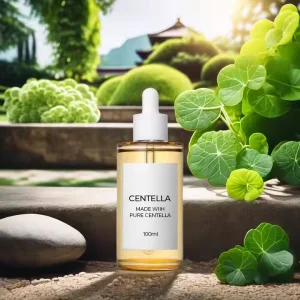
Environmental and safety profiles are non-negotiable. Modern brands require formulations that are silicone-free, paraben-free, and ethically sourced. Plant-based whitening alternatives like licorice root extract and centella asiatica are setting new benchmarks in the luxury beauty segment.
Navigating the cross-border complexities of clinical verification, stability testing, and regional legal compliance
For the North American market, manufacturers must carefully separate daily cosmetics from over-the-counter drug claims. Formulations must undergo stringent stability profiling to guarantee the concentration of active lightening molecules stays consistent over shelf life.
European buyers prioritize safety dossier completeness (PIF - Product Information File). Ingredients like alpha-arbutin are capped at safe, scientifically validated percentages (e.g., 2% in face creams), necessitating precision blending and strict lab verification.
Southeast Asia represents a massive market for brightening solutions. Sourcing agents prioritize Halal-certified facility operations alongside formulas built to withstand high relative humidity without feeling sticky or separating over time.
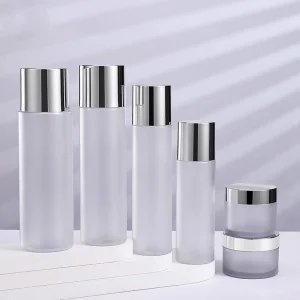
B2B buyers are looking for biodegradable containers, PCR (Post-Consumer Recycled) plastic configurations, and glass components to align with global net-zero retail goals. Sourcing clean formulations inside sustainable bottles drives brand trust.
| Brightening Active | Primary Action Pathway | Recommended Usage Range | Market Preference |
|---|---|---|---|
| Niacinamide (Vitamin B3) | Blocks melanosome transfer from melanocytes to keratinocytes | 2.0% - 5.0% | Global / All skin types |
| Alpha-Arbutin | Tyrosinase enzyme activity inhibition | 1.0% - 2.0% | Asia Pacific / Europe |
| Tranexamic Acid | Suppresses UV-induced melanogenesis / reduces vascular inflammation | 1.5% - 3.0% | East Asia / Clinical Skincare |
| SymWhite® 377 | Direct tyrosinase antagonist (highly potent antioxidant) | 0.1% - 0.5% | High-Performance Brightening |
Why sourcing from advanced Guangzhou manufacturers gives global brands a major speed-to-market advantage
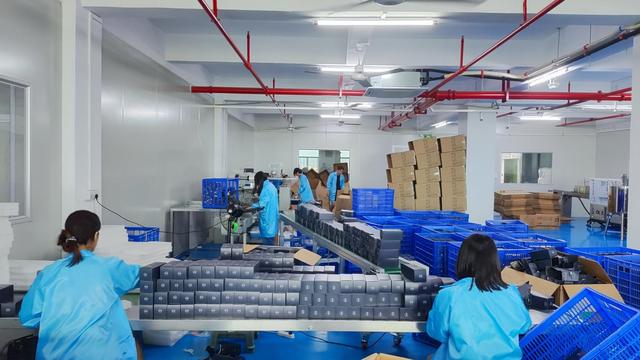
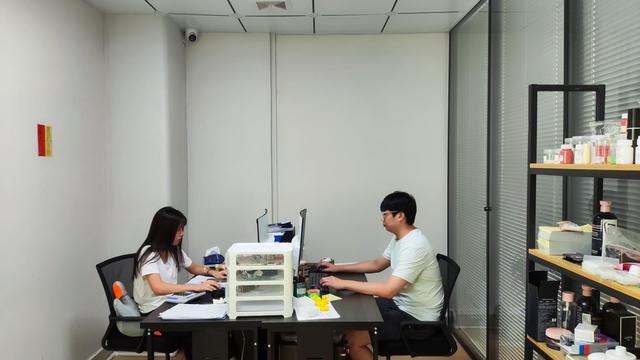
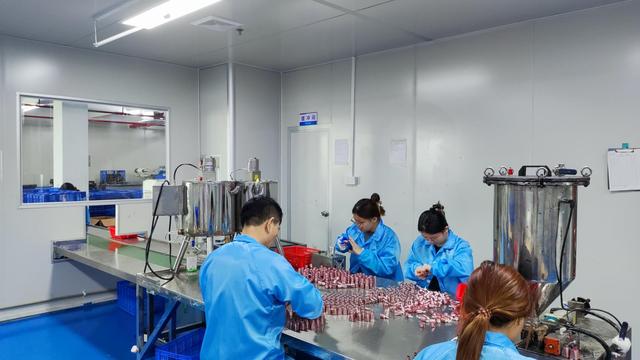
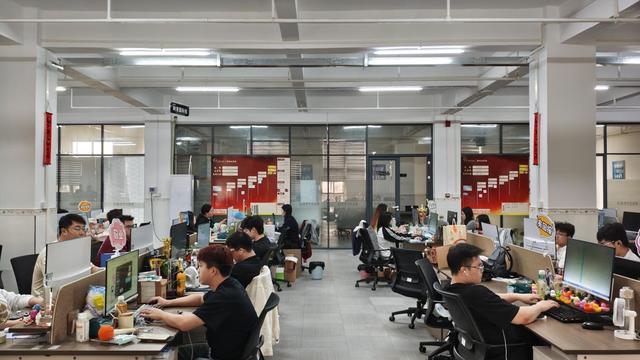
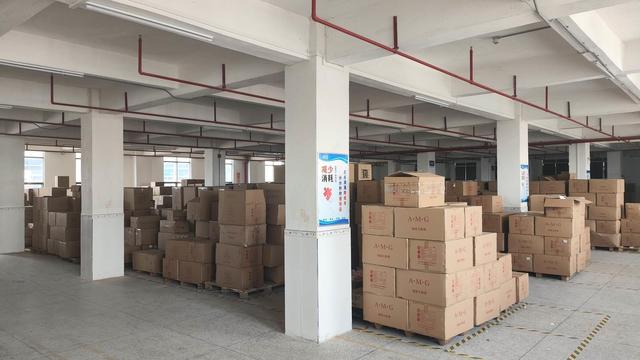
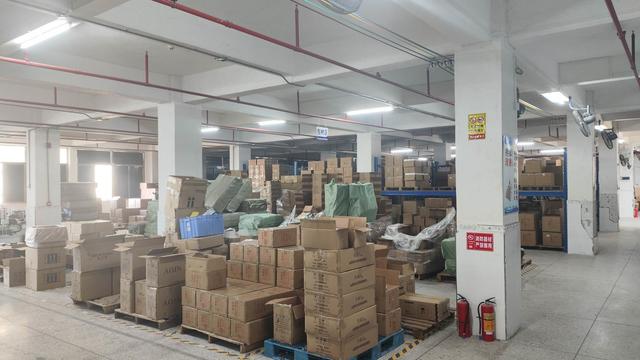
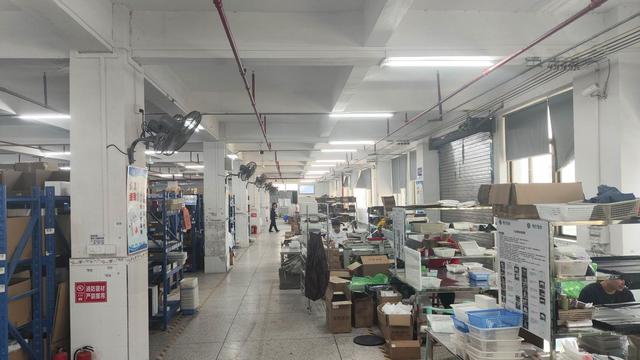
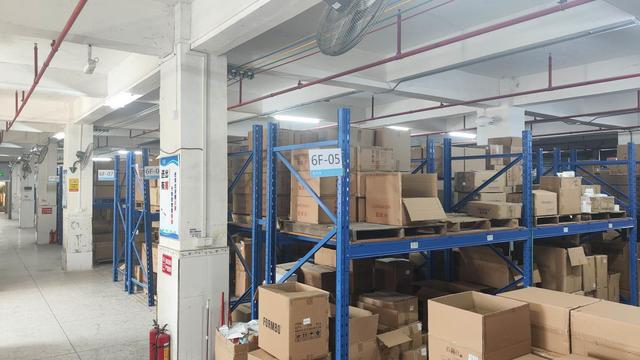
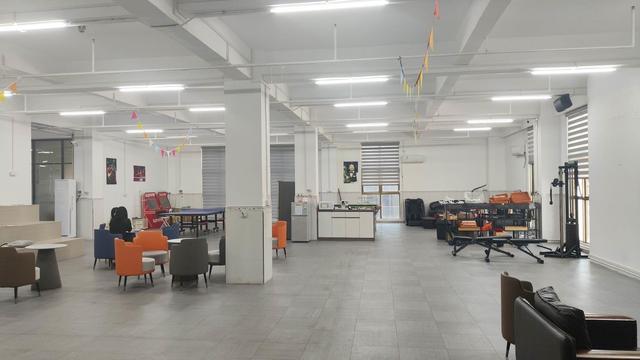
Founded in 2011, Guangzhou ROTT Beauty Co., Ltd. is a leading professional manufacturer specializing in skincare products, cosmetics, and private-label beauty solutions. Operating a state-of-the-art facility covering approximately 15,000 square meters in Guangzhou, Guangdong Province, China, ROTT Beauty employs over 280 skilled professionals across R&D, advanced production, quality control, packaging, and international trade operations.
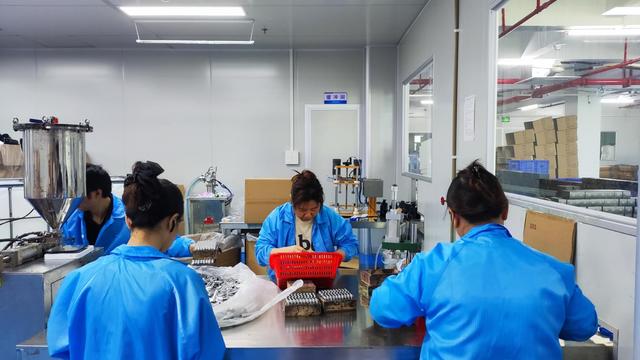
Our infrastructure includes advanced production workshops equipped with automated mixing systems, high-shear emulsification equipment, automatic filling lines, and strict 100,000-grade purification facilities. We implement strict quality management procedures from raw material testing to final cosmetic safety inspections to guarantee chemical stability and skin safety for global brands.
Adapting chemical matrices and packaging designs to target localized consumer habits worldwide
Consumers in these regions view "whitening" as corrective therapy for dark spots, sun damage, and melasma. Formulas here prioritize Vitamin C, Niacinamide, and Retinol. Lightweight serums and dropper bottle packages are highly favored to fit into multi-layer skincare routines.
Warm, tropical climates demand oil-free, fast-absorbing gel-creams that resist sweat. Brightening products are often combined with Centella Asiatica, Green Tea, and SPF protectors to counter UV stress while maintaining a fresh matte finish throughout the day.
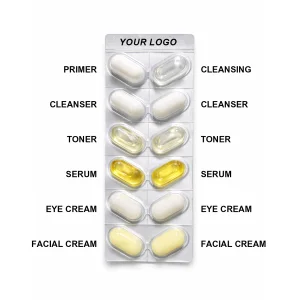
The consumer goal here is total skin translucency and intense hydration. Formulations combine Ginseng, Licorice, and Rice Ferment Filtrates. Brightening toners, rich essences, and single-use capsule packaging are preferred to preserve ingredient freshness.
Step inside our high-tech laboratories, clean-room production workshops, and advanced quality inspection bays
By implementing strict quality management procedures throughout raw material sourcing, formulation development, production, packaging, and final inspection, ROTT Beauty ensures product consistency, safety, and manufacturing efficiency. Supported by an experienced research and development team, the company continuously develops innovative skincare formulations based on market trends, consumer preferences, and evolving industry standards.
Answering vital questions from brand managers, procurement directors, and cosmetic distributors
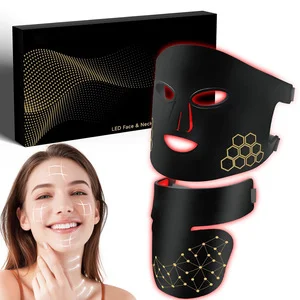
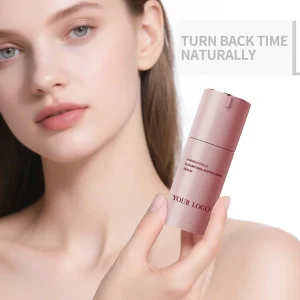
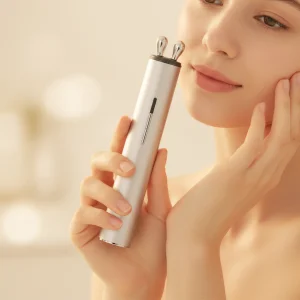
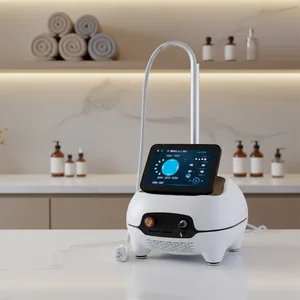
From Advanced Red-Light Devices to Intensive Hyperpigmentation Serums
 ROTT Beauty