Choosing the right manufacturer is crucial for beauty brands. It impacts product quality, brand reputation, and customer satisfaction. To ensure success, brands must carefully consider various factors. So, what should beauty brands look for in a manufacturer?
Experience in the beauty industry is essential. Manufacturers with a proven track record understand market demands and trends. They can offer valuable insights during product development. Moreover, quality assurance processes must be transparent and reliable. Brands need to verify that their manufacturer adheres to the highest standards. This can prevent costly mistakes down the line.
Communication is another vital element. A responsive manufacturer fosters a strong partnership. Regular updates and clarity in processes build trust and encourage collaboration. Brands should also evaluate the manufacturer’s ability to innovate. Staying ahead in the beauty industry requires creativity and flexibility. Overall, selecting a manufacturer involves careful consideration of various elements for long-term success.
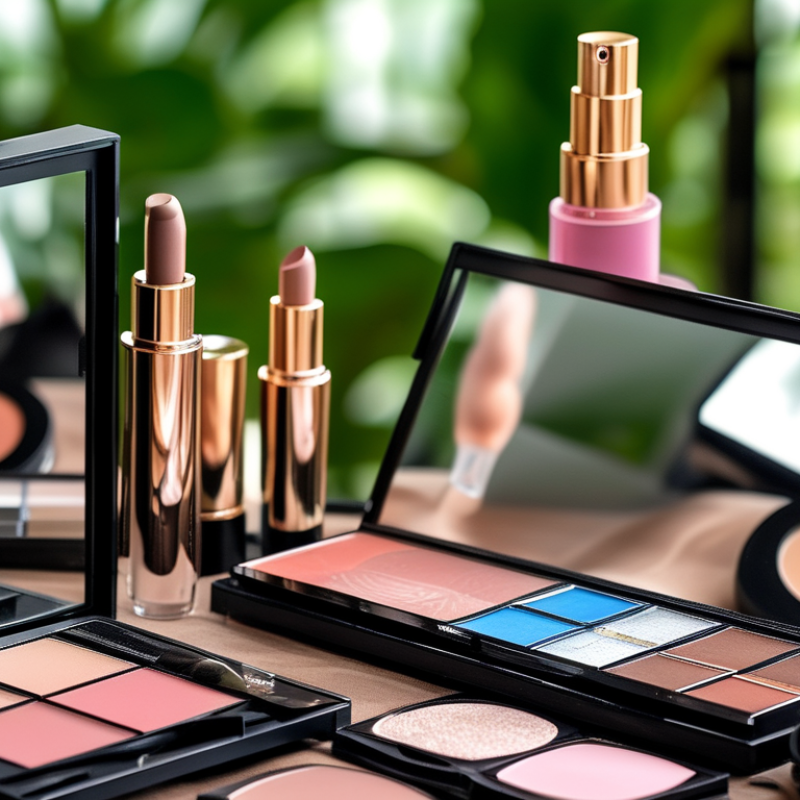
When selecting a manufacturer for your beauty brand, it’s crucial to understand your specific needs. Start by identifying the types of products you want to create. Are you focusing on skincare, makeup, or hair care? Knowing your niche helps you find a manufacturer with relevant experience.
Quality is key in beauty products. Evaluate potential manufacturers based on their quality control processes. Request samples to assess product consistency and ingredient quality. Sometimes, what looks good on paper may fail in practice. Don't overlook the importance of transparent communication too. Misunderstandings can lead to unsatisfactory results.
Consider the scale of production you need. Some manufacturers excel in small batches, while others are designed for mass production. Align your production needs with their capabilities. Each choice comes with advantages and compromises; reflect on these carefully. A perfect match may not exist. Be prepared to adapt your expectations based on feedback and ongoing discussions with potential partners.
Evaluating manufacturer credentials and certifications is crucial when choosing a partner for beauty brands. A reliable manufacturer should possess relevant certifications like ISO and GMP. These certifications indicate adherence to high-quality standards and safety regulations in production. Brands must scrutinize these credentials carefully; a lack of certification may reflect inadequate quality control.
Furthermore, understanding a manufacturer’s experience in the beauty industry is vital. A manufacturer with a strong track record often demonstrates a commitment to excellence. Look into their history and past collaborations; this can reveal their reliability. Do they openly share client testimonials or case studies? This transparency can signal a trustworthy partner.
It is also important to investigate their manufacturing processes. Are they using sustainable practices? Do they prioritize ethical sourcing? A lack of focus on these areas may raise red flags. Asking these questions helps brands make informed choices. Engaging in this evaluation process can be time-consuming but is essential for ensuring product quality and brand integrity.
| Criterion | Description | Importance Level |
|---|---|---|
| Manufacturer Credentials | Verify certifications such as ISO, GMP, and product-specific certifications to ensure compliance and quality standards. | High |
| Production Capacity | Assess the manufacturer’s ability to meet volume demands and delivery timelines to match your brand's growth. | Medium |
| Quality Control Processes | Understand the quality control measures in place to maintain product consistency and safety during production. | High |
| Experience and Reputation | Research the manufacturer's history, client reviews, and industry reputation to ensure reliability. | High |
| Communication and Support | Evaluate the manufacturer's responsiveness, support services, and willingness to collaborate on product development. | Medium |
When evaluating potential manufacturers, quality control processes should be top of mind. A recent study by the International Organization for Standardization (ISO) highlighted that approximately 70% of product recalls stem from poor quality control. This statistic emphasizes the need for beauty brands to thoroughly assess the practices of their partners. Brands should inquire about the manufacturer's certifications, such as ISO 22716 for Good Manufacturing Practices (GMP) in cosmetics. This certification ensures adherence to strict quality standards.
Furthermore, it's essential to examine the testing procedures for raw materials and finished products. According to a report from the Personal Care Products Council, adherence to rigorous testing protocols can reduce the likelihood of adverse consumer reactions by up to 40%. Brands must request data on their manufacturing partner's testing methodologies and product safety assessments. Regular audits should also be conducted to confirm compliance with these standards. However, many brands overlook the importance of ongoing evaluation, leading to potential risks in product quality.
Evaluating a manufacturer’s quality control processes is crucial but can be complex. Some brands might rely too heavily on initial certifications, neglecting continuous assessment. This oversight can lead to inconsistencies in product quality and overall brand reputation. Engaging in proactive communication with manufacturers can uncover hidden challenges and foster a transparent partnership, ultimately benefiting the brand and its consumers.
Choosing the right manufacturer is crucial for beauty brands. Understanding production capabilities and lead times can make or break a partnership. Brands should evaluate what production processes their potential manufacturers specialize in. Some manufacturers excel at high-volume production, while others may focus on niche products. Knowing these strengths helps in aligning your brand’s needs with the manufacturer’s abilities.
Lead times are equally important. A manufacturer with fast turnaround times may seem appealing, but it's essential to consider quality control. Rushed production often compromises product quality. Conducting thorough research and asking specific questions can uncover these details. Brands should seek transparency regarding timelines and factors that could cause delays. A well-documented production schedule can help foresee potential bottlenecks.
Also, evaluating responsiveness is key. A manufacturer that communicates promptly may indicate a better overall partnership experience. However, delays in feedback from manufacturing partners can signal future challenges. It’s important to reflect on these aspects when making a choice. Consider scheduling a visit to the facility. Observing operations firsthand can provide invaluable insights into capabilities and reliability.
Effective communication channels between beauty brands and manufacturers are essential for success. A survey from the Cosmetic Industry Association indicates that 65% of brands believe poor communication leads to production delays. This gap affects both quality control and product launch timelines. Establishing clear communication protocols can minimize misunderstandings and foster a collaborative environment.
To enhance communication, brands should invest in digital tools. Platforms like ERP systems or dedicated project management software can streamline interactions. In fact, a study by the Beauty Insight Group found that brands utilizing these tools increase their production efficiency by 40%. Regular meetings and updates ensure all parties are aligned on expectations and deadlines. However, brands often overlook the importance of building a personal rapport with their manufacturers.
Miscommunication can lead to costly errors. Some beauty brands report quality issues stemming from unclear instructions or specifications. Reflecting on these challenges, brands need to actively listen to their partners. This openness can reveal hidden insights that lead to better product development. Engaging manufacturers in brainstorming sessions can yield innovative ideas, ultimately enhancing the brand's market positioning.
: It ensures adherence to quality standards and safety regulations in production. Lack of certification may indicate poor quality control.
Relevant certifications include ISO and GMP. These indicate a commitment to high-quality production standards.
A manufacturer with a strong track record shows reliability and commitment to excellence in the beauty industry.
Brands should seek client testimonials or case studies. This transparency often indicates a trustworthy manufacturing partner.
They reflect ethical sourcing and commitment to environmental responsibility. Neglecting these areas may raise significant concerns.
It often leads to delays and quality control issues. According to surveys, 65% of brands experience these problems.
Digital tools like ERP systems and project management software enhance interactions and boost production efficiency.
They align expectations and deadlines, reducing misunderstandings and fostering a collaborative atmosphere.
Costly errors can occur when instructions or specifications are unclear, leading to quality problems in products.
Actively listening and engaging in brainstorming can provide insights. This helps enhance product development and market positioning.
When considering what should beauty brands look for in a manufacturer, it's essential to first identify their specific manufacturing needs, ensuring alignment with the brand’s vision and product range. Evaluating manufacturer credentials and certifications is crucial as it helps verify their legitimacy and commitment to quality standards.
Additionally, assessing quality control processes is vital to guarantee that products meet the desired specifications consistently. Understanding production capabilities and lead times can significantly affect a brand’s ability to market its products effectively. Finally, building strong communication channels with manufacturers facilitates a smoother collaboration, ensuring that both parties are aligned throughout the development and production phases. These factors collectively guide beauty brands in making informed choices in their manufacturing partnerships.
