Choosing skincare packaging from China involves more than appearance, price, or factory capability. The real question is: what packaging is best for skincare products when safety, product stability, shipping, and recycling are considered together? A glass serum bottle may protect the formula well, but it adds weight and breakage risk. An airless pump can reduce contamination, yet its complex structure may be harder to recycle.
Industry data makes this decision more urgent. McKinsey’s 2023 global packaging survey found that consumers continue to value recyclability, packaging reduction, and recycled content. Smithers also identifies sustainable packaging as a major growth area, driven by brand commitments and changing regulations. However, sustainability claims need evidence. A recyclable bottle is not automatically recycled in every destination. Local collection systems matter.
TerraCycle founder Tom Szaky states, “There is no such thing as a recyclable product, only recyclable systems.” His point applies directly to skincare packaging. Buyers should request migration testing, compatibility testing, leak testing, and material specifications from Chinese suppliers. PCR plastic, aluminum tubes, glass jars, and airless systems can all work, depending on the formula. Water-based creams, acidic serums, oils, and vitamin C products behave differently. Even pump springs and seals deserve attention.
This guide compares common materials, closure systems, and supplier risks. It also questions a common assumption: the most premium package is not always the best package. Sometimes, a lighter mono-material tube performs better. Sometimes, refill packaging creates more waste. The answer requires testing, documentation, and a clear view of the product’s full journey.
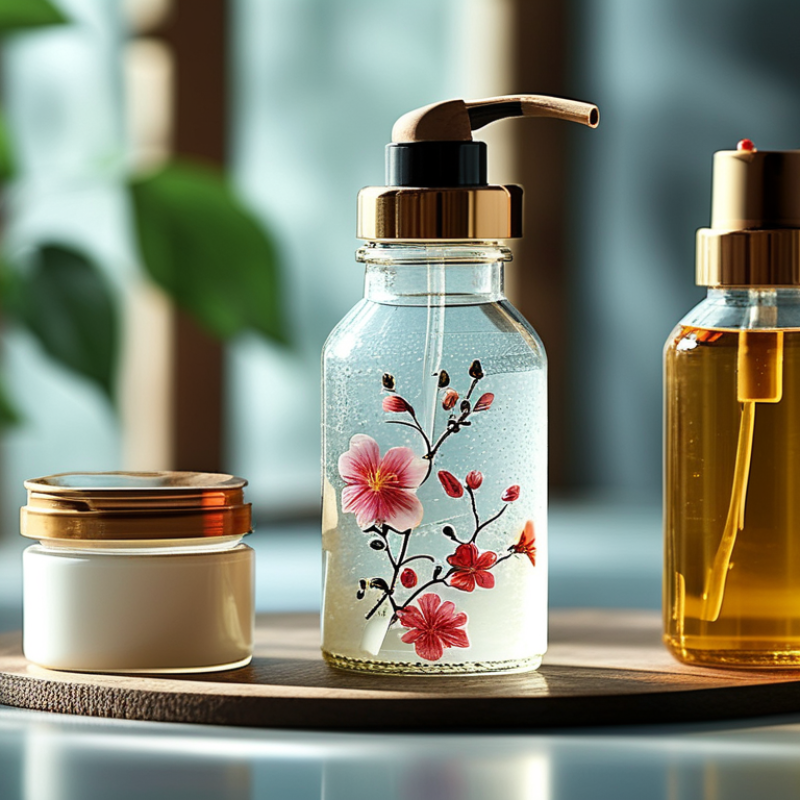
Suitable skincare packaging must protect formulas during China’s manufacturing, storage, and export journey. Heat, humidity, vibration, and long transit periods can affect creams, serums, and oils. Airless pumps can reduce oxidation and limit repeated contact. However, compatibility testing remains essential. A formula may react with certain plastics, coatings, or rubber components. Do not guess.
The OECD’s Global Plastics Outlook reports that packaging creates about 40% of global plastic waste. Therefore, recyclable mono-material bottles, refillable structures, and lightweight designs deserve serious evaluation. McKinsey’s 2023 packaging research also identifies recyclability as a major consumer sustainability signal. Yet, a recyclable package is not automatically suitable. Local recycling systems, material labels, and separation requirements can change its real environmental value. This is where many projects become weaker.
Tips: Request migration, leakage, drop, torque, and temperature-cycle tests before approval. Test filled samples, not empty containers. Check pump output after repeated use. A 0.2-gram difference can affect customer perception. Ask suppliers for material declarations and batch-control records. China-based production can offer excellent precision, but inspection must cover decoration, closure fit, color consistency, and carton strength. I would also challenge oversized boxes, even when they look premium. They add cost and transport volume. One compromise remains possible: simpler packaging may feel less luxurious, yet perform better in real bathrooms and delivery networks.
: Glass suits serums and creams because it resists formula interaction. It feels substantial. However, it adds shipping weight and breakage risk. PET works well for clear bottles, while PP suits jars and caps. PE is practical for soft cleanser and lotion tubes. Aluminum blocks light and oxygen but needs lining tests.
Match the container with the formula’s texture, sensitivity, and filling process. Watery serums often need leak-resistant pumps. Creams may work in sealed plastic jars. Airless packaging can reduce air exposure during repeated use. Still, airless systems are not always necessary. I would avoid choosing them only for appearance.
Use an inner seal beneath each cap. Place every container inside a fitted carton. Corrugated dividers can separate glass bottles. Some cushioning helps. Too much empty space lets containers move. Loose packaging can fail even when the bottle looks strong.
Request filled samples from the actual production supplier. Test leakage after shaking, upside-down storage, and controlled drops. For long routes, include warm and cold conditions. Check that pumps stay locked and caps remain tight. Labels should resist moisture. Laboratory tests cannot recreate every warehouse delay.
Paperboard cartons and molded inserts are widely used. They improve shelf presentation and protect containers. However, customers may discard them immediately. Carton coatings can weaken fiber recovery. A simpler carton may be less attractive but easier to process.
Recycled PET and PP are worth discussing with suppliers. Recycled content can reduce dependence on new plastic. It may also affect color, odor, and consistency. Request recycled-content documentation before approving samples. A supplier declaration alone is not enough proof.
Requirements depend on the destination market and product type. Review packaging layers, void space, material composition, and recycling claims. Check every component, including pumps, liners, inks, adhesives, and cartons. Migration and compatibility tests should support material safety. Labels and technical records must remain consistent.
Do not approve the bottle before checking regulations and formula compatibility. Mixed-material pumps may complicate recycling. Dark coatings can create recovery problems. A strong-looking sample may still leak during transport. I sometimes underestimate small closures. That mistake can become expensive.
Choosing what packaging is best for skincare products from China depends on the formula, product format, shipping conditions, and target market. Suitable packaging should provide strong protection against light, air, moisture, contamination, and accidental leakage. Common options include glass jars and bottles, plastic containers, airless pumps, tubes, and droppers. Each material offers different advantages in terms of durability, weight, appearance, compatibility, and cost. For products shipped internationally, secure closures, protective inserts, tamper-evident features, and reliable outer cartons can help reduce breakage and product loss.
Sustainability and branding also influence packaging selection. Recyclable materials, reduced packaging, refillable designs, and lightweight structures may support environmental goals while controlling transportation costs. At the same time, the packaging should communicate product quality through its shape, color, labeling, and finish. Before production and export, businesses should confirm that the packaging is compatible with the skincare formula and that labels, safety information, material specifications, and testing documents meet the requirements of the intended markets.

 ROTT Beauty